A Conversation with Mauricio Salaverría
If you have had our coffee, chances are good that you have had coffee from Maurcio Salaverria. This will be our 14th year of purchasing coffee directly from Mo (as his friends call him). Whether a single origin offering or in our blends, coffee from Divisadero, in El Salvador, makes up a large portion of what we roast and offer to you!
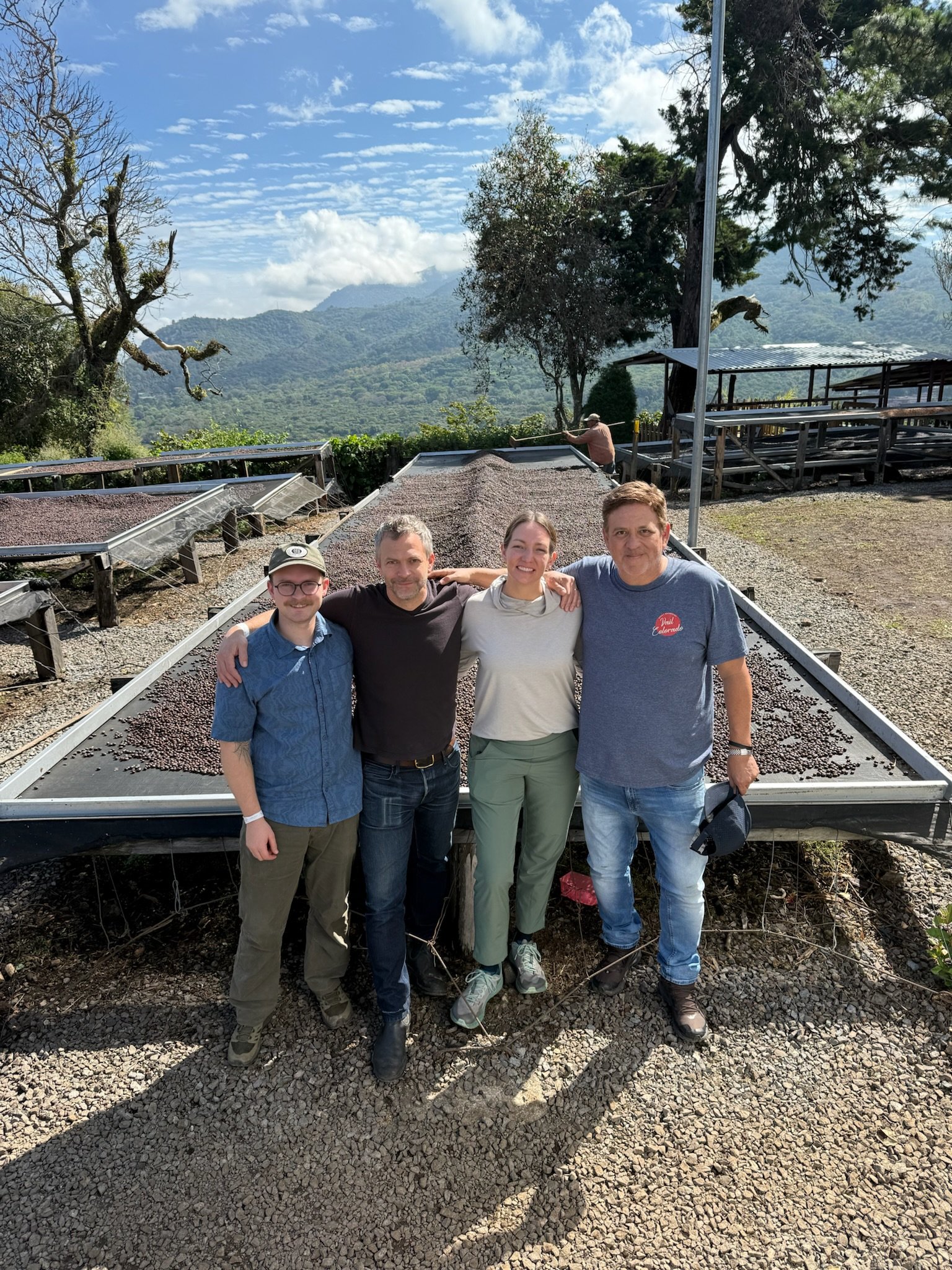
We recently spent some time in El Salvador with Mo, visiting his farms and drying stations, tasting his coffee, and enjoying his company. He was a gracious host! While he drove us away from his farms in Concepción de Ataco, to the city of San Salvador, we got to ask him some questions.
What’s the history of Dividadero, and how did it all start?
“Divisadero started operating as a specialty coffee company almost 20 years ago, when 3rd wave was starting and when the cup of excellence was beginning to get a hold of specialty coffees around Latin America.
Divisadero was a tablon (a lot) in Finca Himalaya. Divisadero means “vast views”, and it's also a big street that crosses San Francisco. (I love California), so that's why we kept the name.
My family has been in coffee since 1870-1875, from my dads and my moms side of the family. My grandparents and great grandparents were also pioneers in coffee growing, and the initial cultivation of coffees in El Salvador. So basically, I probably have coffee running through my veins instead of blood, you know, because all of my family.”
How did you get into natural processing coffee?
“El Salvador's specialty was washed coffees. There were no honeys, no naturals. I went on a trip to Brazil in 2012 to learn about naturals and to learn how to process naturals, and to see what the Brazilians did with their naturals. So that opened up my mind to start producing and processing and exporting naturals.
Slowly people started liking it, and interest grew very rapidly as the third wave got into honeys and naturals, and then anaerobics and all kinds of stuff. I started with naturals around that time, so I was one of the pioneers in slow drying and the and in the process of naturals.”
When did you start building the raised beds?
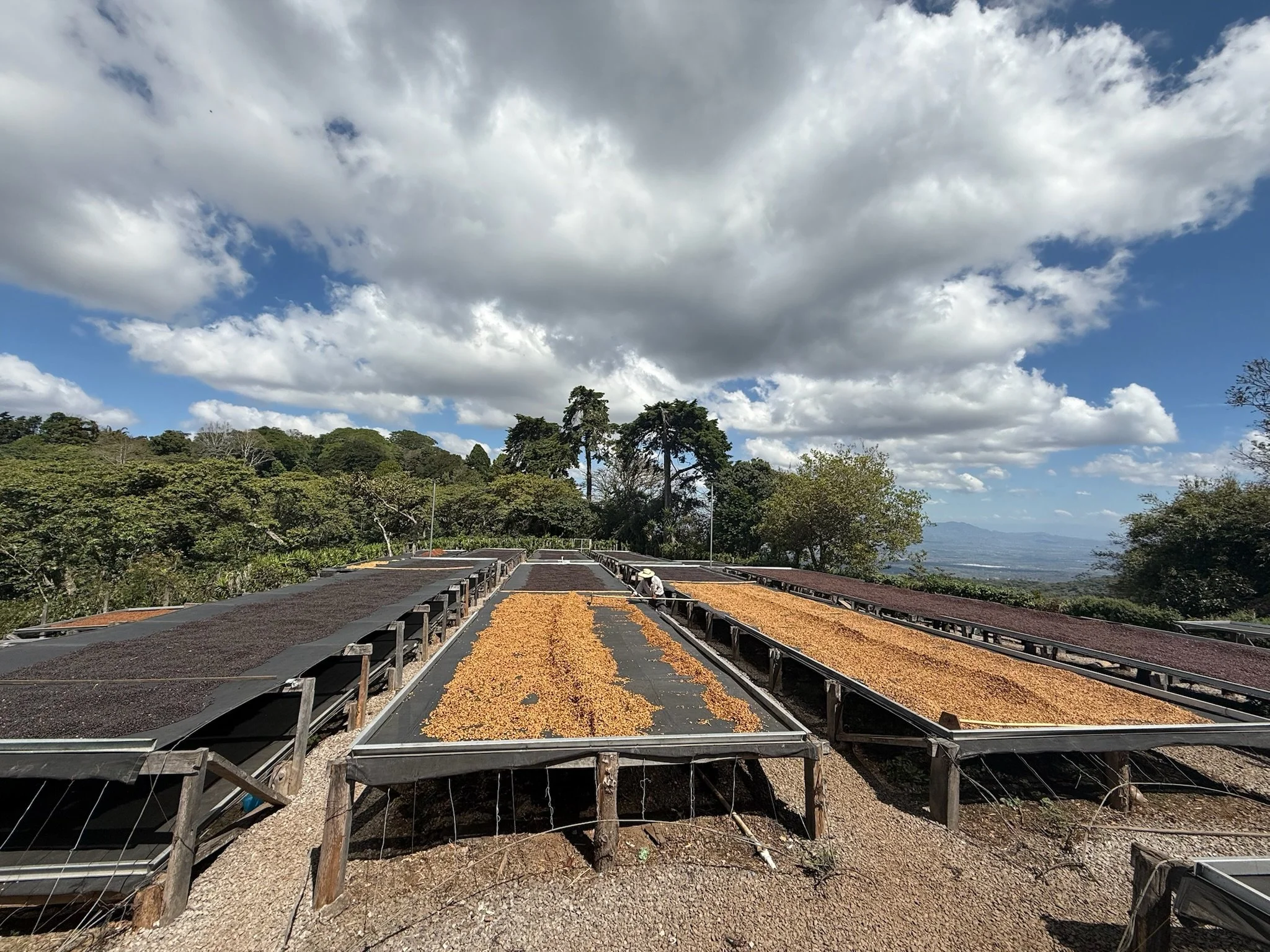
“I’ve always had African beds. They were used in El Salvador for the segundos (seconds) and the floaters, that was their main use, not like in Africa. Nobody was trying (the raised beds) because it takes too long (to dry), especially if you're at higher altitude. It can take a month to dry, and the commercial people say “a month to dry, by hand, is no good.”
That's why I have two stations, and I put the coffees in the African beads for 20-21 days, and then finish them up at the lower altitude patios, which is what I still do at this time. But then they told me, “yeah but your secondary station is 20-30 minutes away, it’s going to be so expensive to transport one to the other.” It’s worked pretty well for me. We have our own transportation and our own system, and I think it's pretty good to finish them up in warmer weather before they go to the warehouse.”
Can you tell us the story of how Divisadero and Boxcar originally got connected?
”We both had a friend in common, Paul Songer. Very well respected. Paul Songer used to visit El Salvador a lot when the Cup of Excellence started here. I used to bump into him at Consejo National Cafe headquarters (in El Salvador), and we always said hello and we spoke a little bit, Then I saw him at the SCAA in Anaheim (2010), and he mentioned that he had this good, good friend who had started a roastery and needed some good coffee. He recommended El Salvadorian coffee, and got us together.”
We asked Vajra Rich, owner of Boxcar (and conveniently in the car with us) how he remembered it.
“That's right, we bought the coffee before I met you. But I remember this very first cup Paul and I shared. He had his lab in the same building as our roastery, and we cupped coffee all the time together, and I hadn't known anything about El Salvadorian coffee at all. Anyway, he told me that he had met you and that he had a sample, and we cupped it together, and I just remember feeling like “Wow, this tastes like caramel,” you know? We needed that, and then we started talking about it, and then the direct trade happened really fast after that.”
What has changed in coffee production since you started?
”I think that the microlots have evolved so much, and the quality has been put in the forefront by the Cup of Excellence, or by roasters like Boxcar that adhere to quality. So I think quality oriented coffee is what I and Divisadero wanted to do. I've stuck with it, and I was right, for all these years.I think you also have to talk about climate. That's very important. It’s a real situation, for example, coffees that were traditional here like bourbons and pacas, can not withstand the climate anymore. Or if they did stand it, the cup quality has decreased because the tree, instead of taking care of the coffee cherry, takes care of itself.
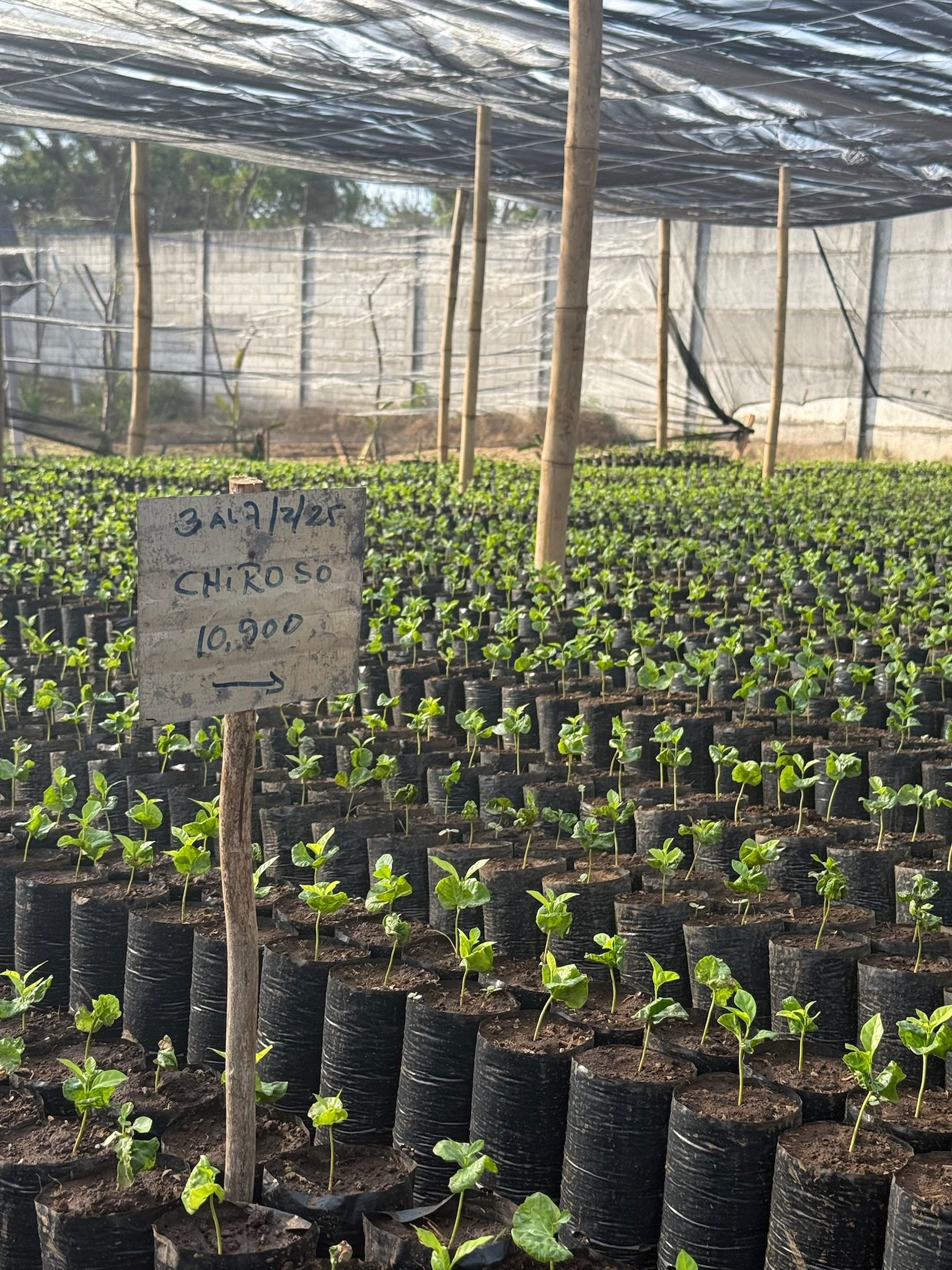
And the new varieties came along, which were supposedly not good for quality, and they adapted well to El Salvador. Anacafe 14 is a perfect example. The Mambo, which is a Sarchimor, and even the Costa Rica 95, which used to be production only and low quality, has good quality cups at high altitude these days.”
Are there any highlights or special moments that stand out to you over the years?
“I was very happy, and sad, that in 2013, El Copo from Cruz Gorda was number 2 in the Cup of Excellence, and I missed it by 1 point. I was very happy with #2, it's not easy. And I'm also very proud of my other top 10s, for Finca Himalaya, Villa Galicia, Cruz Gorda, and El Copo. So very, very, very proud. That’s not easy.”
What would you say your values are as a business person?
“I think that I try to tell my kids never to spit up wind (laughs). Everything that goes around comes around, so you gotta be a correct person. Having a handshake means something. Be a man of your word. Don't over exaggerate if the quality is not there, it is what it is. So just have the core simple values of being a correct business person, towards everyone. And try to have a workforce, a work team, that can be trusted in the same way, which is very important.”
There are a lot of challenges in producing coffee, what keeps you inspired to continue?
“I think that what keeps me motivated is, quality is such a hard thing to accomplish consistently. Every year we learn something or there's a curve thrown at the grower. In a varietal, or how varietal can change, as I said with bourbons and pacas decrease quality because of the climate issues. And the coffees that are not susceptible to roya, how they have increasing quality if you process them the right way. So you learn every year. There's always something going on that's going to throw you a curve, so it's exciting in that sense.
And then getting your varietals, and getting more yields, and getting your coffees to all these countries that I work with, keeps me going. And it's exciting, you know, to be able to showcase a good side of El Salvador, a good side of Ahuachapán, Ataco, and Apeneca.”
Getting to ask Mo these questions was a great way to finish out our time with him. Our conversion shined a light on how similar our companies are in terms of motivators and vision. After hearing more of his story first hand, and seeing how Mo strives for quality, it really solidifies how special our partnership truly is.